
What the public record confirms
On November 24, 2026, Orchard Therapeutics announced Saudi marketing authorization for Libmeldy for eligible children with early-onset metachromatic leukodystrophy (MLD). The Saudi Food and Drug Authority product record, registration 0311260793, lists a valid authorization, a marketing status of “Marketed” and hospital as the distribution site. Its price field shows SAR 14,445,132.20. That documents three things: the product's authorization, its status in the register and its listed price. None independently establishes that a particular hospital is accepting referrals now or that a family or a funder will pay that amount.
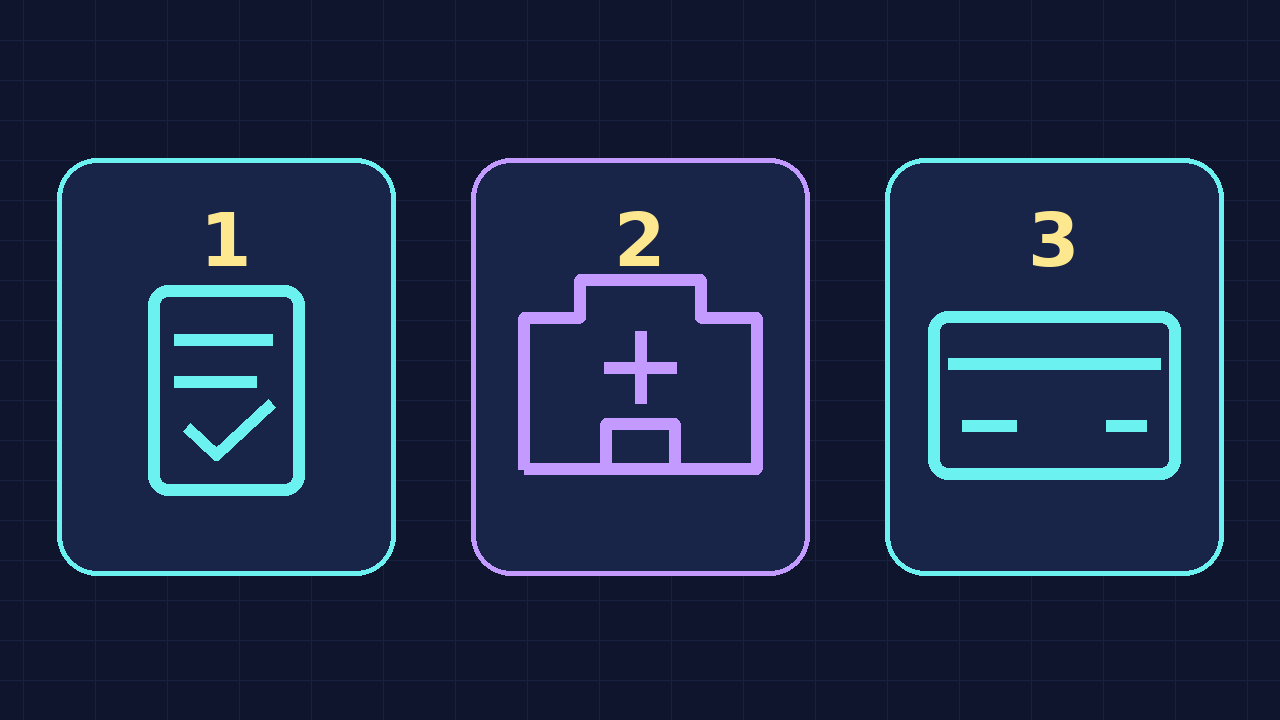
Original explanatory illustration: 1. Product record, 2. Referral intake, 3. Coverage or funding. These are separate checks, not confirmations that all are in place.
The company announcement is not a center-readiness notice
In its November 24 release, Orchard describes this as the product's first authorization outside Europe and the United States. It identifies Biopharma-mea as the lead for commercialization and Cigalah as responsible for distribution and logistics. The SFDA register names Cigalah Group as agent. These roles explain who supports access on the company's side; they do not give a treatment start date at a particular hospital. The sources cited do not name Saudi centers accepting referrals, establish a documented first local treatment or spell out funding terms for a particular case. Lack of public information does not establish that a service is unavailable; it means these sources cannot confirm it.
The registry figure is not the total cost of care
The figure is the price field for the product as shown in the SFDA register on November 26, 2026. It is not a hospital bill, a verified negotiated procurement price, a coverage amount or a patient's copayment. The entry does not itemize separate charges for assessment, hospital services or follow-up or say which of them a payer might cover. Do not quote it to patients as a confirmed full price or multiply it by a hypothetical number of cases to project revenue. There is no like-for-like price series or local treated-patient count here that warrants a comparison chart.
What hospital and communication teams can verify
- Referral intake: Operations should identify a receiving clinical team and a secure referral channel, and confirm they actually accept these referrals. Eligibility remains a clinical decision, not one for a contact center or marketing page.
- Funding and cost separation: Ask the relevant payer whether an approval pathway exists and what it covers. Separate the published product price from any service charges confirmed in writing. Listing does not imply insurance approval.
- What families are told: Date-stamp the last verification on the information page. Distinguish “inquiry received,” “referral received by the center” and “assessment scheduled.” Do not ask families to submit a child's records through a general marketing form or promise a slot or coverage before confirmation.
- Operations measurement: If a local pathway starts, record time to referral acceptance, time to confirmed assessment and the share of referrals that complete assessment. These are proposed process indicators, not published Saudi outcomes. Do not confuse inquiries with the number of patients treated.
The useful role of communication here is not to maximize views. It is to give families and referring teams a next step that a center can actually deliver and verify. This is analysis of registration and access, not an advertisement for treatment or medical advice.
Sources
- SFDA product register: Libmeldy, product, price and marketing status checked November 26, 2026.
- Orchard Therapeutics release via Business Wire, November 24, 2026, reported authorization and partner roles.
Related reading: authorization and availability in the Loargys case
Comments
No published comments yet.