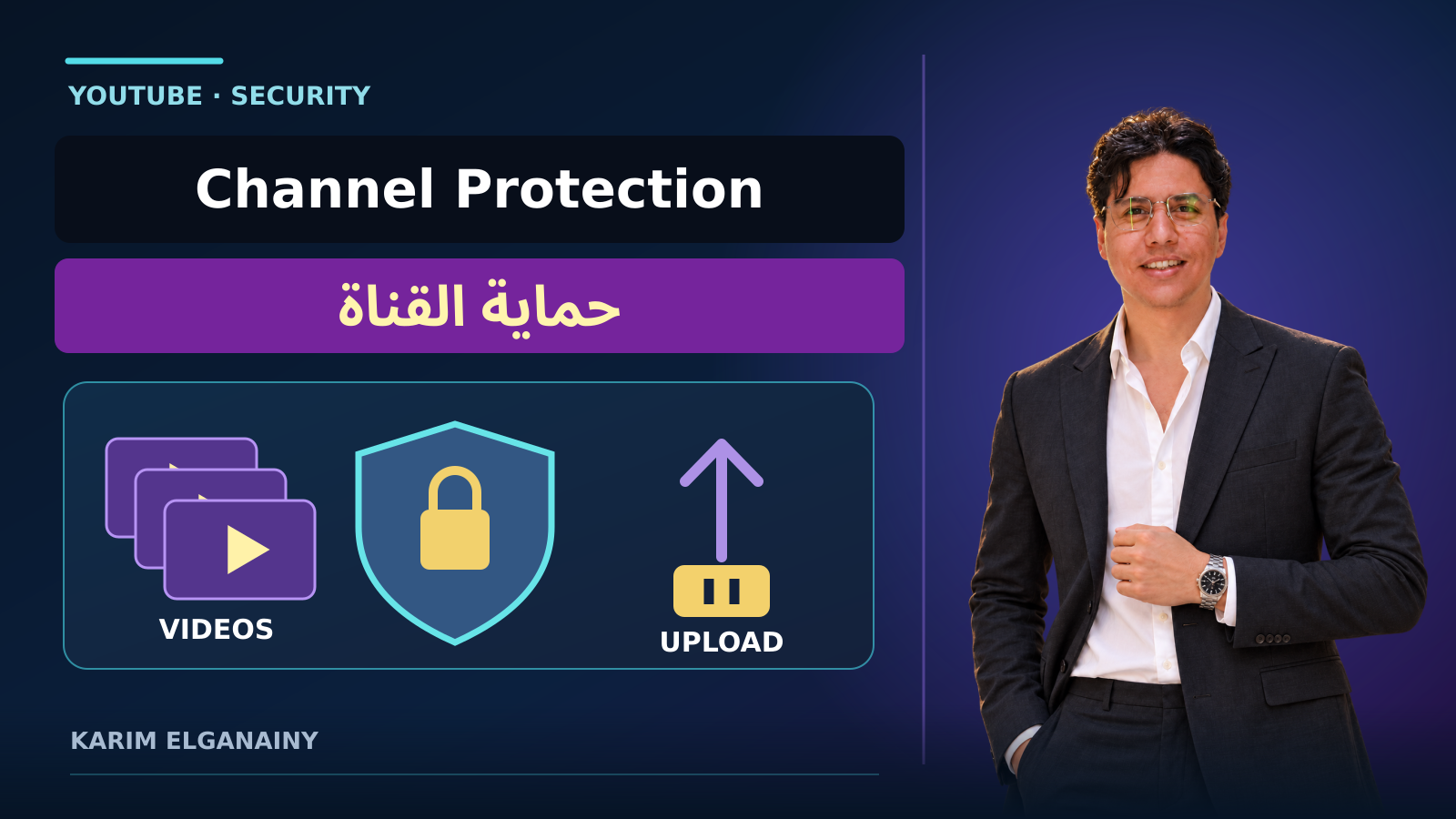
A security pause changes the publishing risk calculation
On October 21, 2026, YouTube announced temporary feature pauses when it detects unusual or unauthorized channel activity. Publishing, live streaming and certain editing functions can be restricted while security checks take place. The company describes review as typically within 24 hours, not a guaranteed restoration deadline. Existing viewing and monetization status remain unaffected by the pause itself. Official announcement.
For a marketing team, the announcement is a reason to examine operational resilience. A channel is not simply a distribution button. It may hold a searchable educational archive, support a launch, carry scheduled communications and represent an organization’s identity to audiences who cannot easily distinguish an authorized post from a malicious one.
The framework below is original operational analysis, not a report of a security incident at any particular organization. It proposes how marketing, IT and communications teams can prepare for interrupted publishing without confusing a protective restriction with proof of compromise or a platform-wide outage.
Distinguish the asset from the publishing schedule
Begin by listing what the channel does for the business. Separate archived content, planned releases, live events, campaign destinations and customer-support explanations. A missed upload affects these functions differently. An organization that sees only the next scheduled video may overlook a more important dependency elsewhere in the customer journey.
Then identify which commitments depend on a specific release time. A general educational video can often move. A live event with registered attendees, a partner announcement or a campaign directing traffic to a forthcoming asset may require a coordinated response. The goal is not to make every piece urgent, but to understand where a delay creates a concrete consequence.
Record the owner of each dependency. The publishing operator may not be the person who can amend paid promotion, contact a partner or update an event page. Knowing who can act reduces hesitation when information is incomplete and makes it less likely that several teams issue inconsistent explanations.
Build an access map before there is an incident
A useful access map identifies the channel, the organization responsible for it, the people with legitimate roles and the process for joining or leaving the team. It should be maintained in an appropriately controlled business record, not scattered across personal messages or remembered by a single employee.
Review whether each person’s role matches their actual work. Editorial access, account administration and vendor support are different responsibilities. More access is not automatically better collaboration. A clear division lets contributors perform their tasks while making consequential changes easier to understand and review.
Do not confuse being able to upload with owning the underlying business asset. Agency handovers deserve an explicit check of the account and channel identifiers, authorized administrators and remaining transfer steps. A friendly message saying that access is complete is not a substitute for verifying the intended roles and ownership state through the official account interface.
Keep security response and marketing decisions separate
When a restriction appears, the security or account owner should establish the verified account state through official channels. Marketing should identify affected communications and preserve a record of what was scheduled. These activities support one another, but they should not become an improvised competition to regain publishing capability at any cost.
Avoid asking colleagues to share passwords or codes in a group chat. Do not create alternate access paths merely to defeat a protective restriction. The objective is to restore authorized, trustworthy operation, not to make an upload succeed while the reason for the interruption remains unresolved.
Name a coordinator who can distinguish confirmed facts, open questions and decisions already taken. A short incident record helps prevent speculation from becoming an organizational story. It can contain the observed notice, the affected asset, relevant times, the official support reference and the next approved review point without exposing authentication secrets.
Establish a safe first-response checklist
The first response should focus on observation and containment within the organization’s approved process. Record what the official interface says, which channel is affected and what actions are unavailable. Preserve relevant evidence without circulating sensitive account details more widely than necessary.
Check planned marketing activity that depends on the channel. A scheduled promotion may need a pause or a revised destination if the promised material cannot become available. That commercial decision should be approved by the person responsible for the campaign, rather than made silently by whichever operator first notices the restriction.
Keep recovery guidance tied to verified official destinations. Unexpected messages offering instant restoration can create additional risk when a team is under pressure. Use established support and account-recovery routes, and let the responsible security staff assess unfamiliar requests. This article does not authorize changes to anyone’s accounts or replace an organization’s incident procedure.
Design continuity around audience needs
A continuity plan should answer what the audience needs while the team investigates. For an upcoming educational release, that may be a revised publication time. For registered event attendees, it may be a clear notice through an already authorized communication channel. The right response follows the commitment, not the marketing team’s discomfort with silence.
Prepare a small set of neutral communication templates before an incident. They should explain the service impact and the next update point without guessing about the cause. Do not announce a hack merely because publishing is unavailable. Likewise, do not promise an exact recovery time that the organization cannot control.
A backup channel is useful only if its audience and purpose are clear. Posting the same message everywhere can spread confusion, especially if customers receive conflicting versions. Define which destination is authoritative for updates and make sure the team can maintain it without depending on the affected account.
Store the work independently of the platform
Keep approved video masters, subtitles, thumbnails, descriptions, source files and relevant permissions in the organization’s controlled storage. The aim is not to duplicate the entire platform. It is to ensure that the work required to explain a product or service does not exist only inside one publishing account.
Use version labels that identify what was approved and when. A folder containing many files named final is not a reliable archive. Record the intended language, publication context and any time-sensitive claims. These details help another authorized team member understand whether an asset is safe to reuse or requires review.
Test retrieval occasionally. A backup that exists but cannot be found, opened or understood may provide little practical resilience. Ask a colleague who did not produce the original asset to locate the approved version and explain its intended use. Their difficulties reveal gaps that the original creator may no longer notice.
Treat launches as dependency networks
A launch often connects a video, landing page, email, paid advertisement and partner communication. Map these dependencies during planning. If one asset cannot be released, which other items would become misleading or ineffective? Answering this in advance makes a later interruption a manageable decision rather than an emergency discovery.
Build reasonable contingency time into genuinely time-sensitive work. This does not mean assuming every platform will fail. It means recognizing that approval, account access and publishing are separate steps, each with uncertainty. A production calendar that ends at the export button leaves an important part of delivery unmanaged.
Decide what can be postponed, substituted or canceled, and who has authority for each choice. A previously approved evergreen explanation might be suitable in one situation and misleading in another. Continuity is not simply having spare content; it is having a defensible relationship between the substitute and the audience’s expectation.
Measure resilience without inventing avoided losses
Useful operating measures include time to identify the affected commitment, time to reach the responsible owner and time to communicate an approved next step. These are proposed internal measures. They should reflect the organization’s own process rather than being presented as platform performance statistics.
Separate actual costs from hypothetical exposure. Additional editing hours or a documented campaign adjustment may be measurable. The revenue that might have been lost in a different scenario is an estimate and should be labeled accordingly. Dramatic avoided-loss claims can make a security review sound impressive while weakening its credibility.
Track repeat causes and process weaknesses. If the team repeatedly struggles to identify the account owner, the remedy is not another emergency group chat. If approved files cannot be found, repair the archive. The best resilience report ends with a small number of concrete improvements and a named person responsible for each.
Apply the plan carefully in healthcare organizations
A hospital or clinic channel may contain general education, service information and professional profiles. A publishing interruption should not lead the marketing team to move individual patient information into an improvised support channel. Keep service communication separate from confidential care-related conversations and use the organization’s approved routes.
Review which messages could be misunderstood as clinical guidance. If a planned specialist explanation is delayed, a generic replacement should not imply that it provides equivalent advice. The safest substitute may be a factual notice about where verified service information can be found, rather than a hurried piece of unreviewed medical content.
Ensure Arabic and English updates are consistent about the practical impact. A different explanation in each language can create unnecessary concern. At the same time, do not publish an incident announcement merely because a backup template exists. Communicate when it helps the affected audience understand a real change to a commitment.
Reopen deliberately after access is restored
Technical restoration is a checkpoint, not the entire recovery process. The responsible team should verify the account state through its approved procedure. Marketing should then review scheduled material, destinations and any public messages issued during the interruption before resuming the calendar automatically.
Check for stale timing and contradictory promises. A video recorded for a specific date may no longer fit its description. A campaign paused during the incident may need an updated budget period. These are ordinary coordination problems, but they can create confusion if everyone assumes that restored access means all related work is ready.
Close the incident with a short learning review. Record what was observed, what remained uncertain, which commitments changed and which improvement will be made. Avoid blaming individuals on the basis of incomplete evidence. A useful review strengthens the system without turning uncertainty into an accusation.
Strategic takeaway and source
The strategic lesson is to manage a channel as an owned business responsibility operating on an external platform. Strong creative work and strong access governance are complementary. Neither a security feature nor a good content calendar removes the need for clear ownership, recoverable assets and honest audience communication.
Only the opening product summary is reported news. The preparedness framework is original analysis, not evidence that the writer or a named organization experienced a compromise, tested the feature or achieved a particular recovery result.
Comments
No published comments yet.