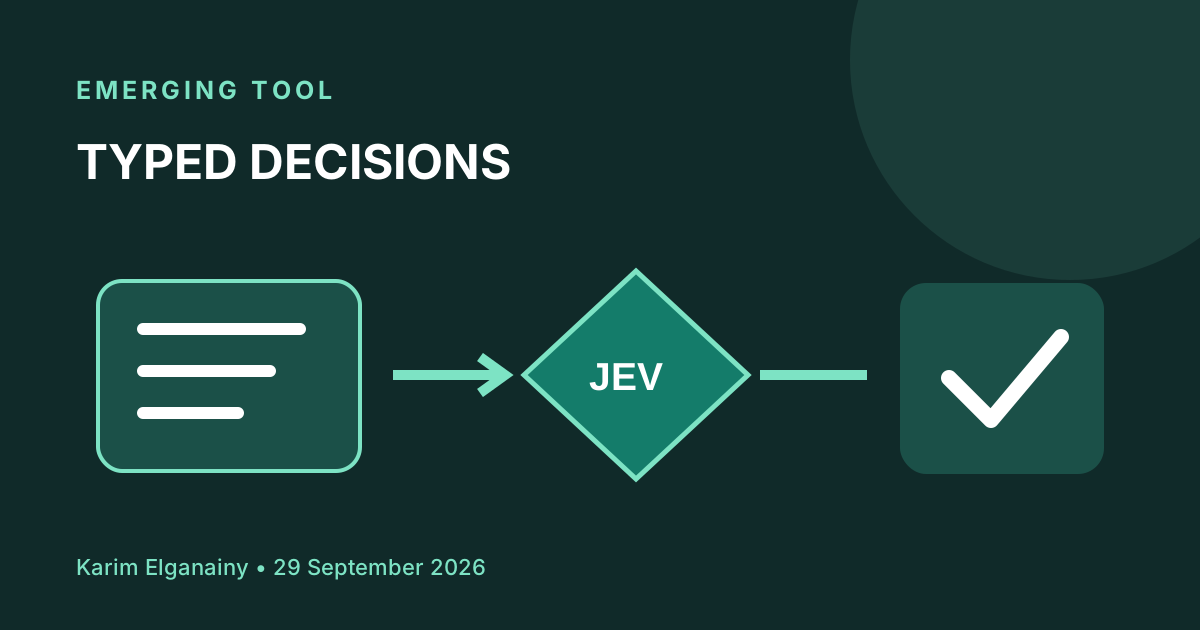
TypeSafe AI presents Jev as a model and API designed to return structured decisions, choices and scores instead of open-ended prose. That is an interesting distinction for teams that need repeatable classification or routing: the output can be checked against an expected schema and compared with a known answer.
Where it may help
Possible uses include classifying inbound leads, selecting a support queue, prioritizing review cases or choosing which approved creative variant to test next. A developer would send task data to the hosted service, request a typed decision and connect the result to an existing workflow. The official project material should be consulted for current API details, pricing and data terms before any integration.
This is an emerging product, so benchmark and performance claims made by its creator should be treated as vendor claims until reproduced on Karim’s own data. Public material does not establish that model weights can be downloaded or that every decision is explainable. Sending customer information to a hosted API also creates privacy and retention questions.
GCC relevance
Arabic language, mixed Arabic-English records and local customer behavior should be tested explicitly. A globally reported score cannot substitute for performance on Saudi or Gulf leads. The cost of a false decision is especially high in healthcare.
Karim’s strategic takeaway
Pilot Jev on anonymized, historical marketing leads with known outcomes. Compare its classifications with a simple rules baseline and human reviewers, track errors by language and customer segment, and keep all booking or clinical decisions under human control. Scale only if accuracy, latency, cost and data terms are acceptable together.
Comments
No published comments yet.