
Publicit appeared on Product Hunt on November 21, 2026, pitching a self-service way to buy connected TV, digital out-of-home and mobile inventory. The useful development isn't a promise that three screens sell more. It's a workflow in which an AI assistant can prepare a media buy while the advertiser keeps control of payment. The listing date is not evidence that the business itself started that day. Company launch listing
What Publicit says it offers
Connected TV (CTV) means ads in streaming environments on internet-connected televisions. Digital out-of-home (DOOH) means commercial screens in physical places such as streets or shopping centres. On Publicit, mobile refers to ad placements in publisher websites and apps, not purchases on Meta, Google or TikTok. The company says buyers can combine these placements under one campaign budget and view delivery by placement. Its live site lists Spain, Italy, France, Portugal, Germany and the UK, not Saudi Arabia. The listed minimums are €500 per campaign and €50 per day, plus a 10% platform fee on the media budget and applicable VAT. Availability and total cost should be verified before any commitment. Channel scope Current markets on the official site
Who checks the draft and pays?
Through Publicit's MCP connector, a compatible assistant can help prepare a draft, check creative fit, review reported delivery and manage supported campaign actions, according to the company. For a new buy, it directs the user to the dashboard for payment. That is not the same as making the connector read-only: treat pause, resume and other edits as writes, limit permissions and log who approved each action. Connector documentation
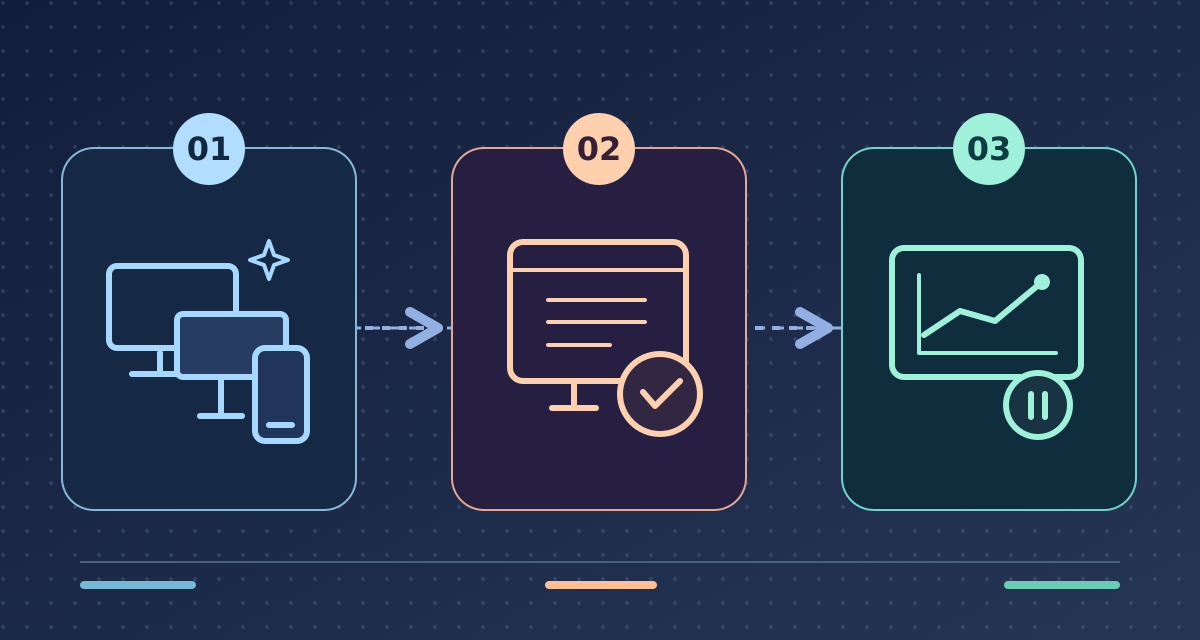
Original workflow illustration, not a screenshot or a performance result. MCP does not make the payment.
What I would test before expanding
Start with one market and objective. Use a fictional example: a local retailer wants to promote a store opening. Decide which message a TV viewer can understand without a click, which idea a passerby can read in seconds, and which mobile format can lead to a location page. Set the budget cap and required placement details first. Then compare a standard manual brief with an assistant-assisted draft for the same plan: record time to approval, corrections, wrong-format assets and gaps in the placement list. Those are proposed measures, not measured Publicit outcomes.
How to read delivery figures
For delivery, label each metric by source and unit. A recorded ad event, an outdoor playback log and a publisher's audience estimate are different things. Ask which rows are bidder-recorded and which are reported or modeled; a single dashboard does not make them independently verified. Do not add channel impressions and describe the sum as unique people. If the later question is incremental visits, test it separately, for example with comparable areas and a holdout where feasible. A coincident increase in footfall or scans does not prove lift. Platform measurement explanation
Comments
No published comments yet.