What was announced?
On November 20, 2026, nference announced a long-term collaboration with Cedars-Sinai to build a secure, AI-enabled clinical research platform. The plan is to help investigators analyze de-identified records covering more than a decade and more than five million patients. That describes the announced scope, not participation in a clinical trial or proof the platform is already operational.
From fragmented records to a testable question
A single episode of care can leave traces in lab results, clinician notes, imaging reports and medication records. Bringing these sources together could help investigators study a disease over time instead of relying on a single snapshot. In a study of disease progression, for example, a team could define a cohort and see whether signals in the record justify a closer look.
Easier querying does not make the data complete. A missing test in the record does not prove it never happened. Changes in documentation can look like changes in disease. And an association is not evidence of causation. A useful platform still needs reviewers who understand where the data came from, and findings that can be tested beyond the initial cohort.
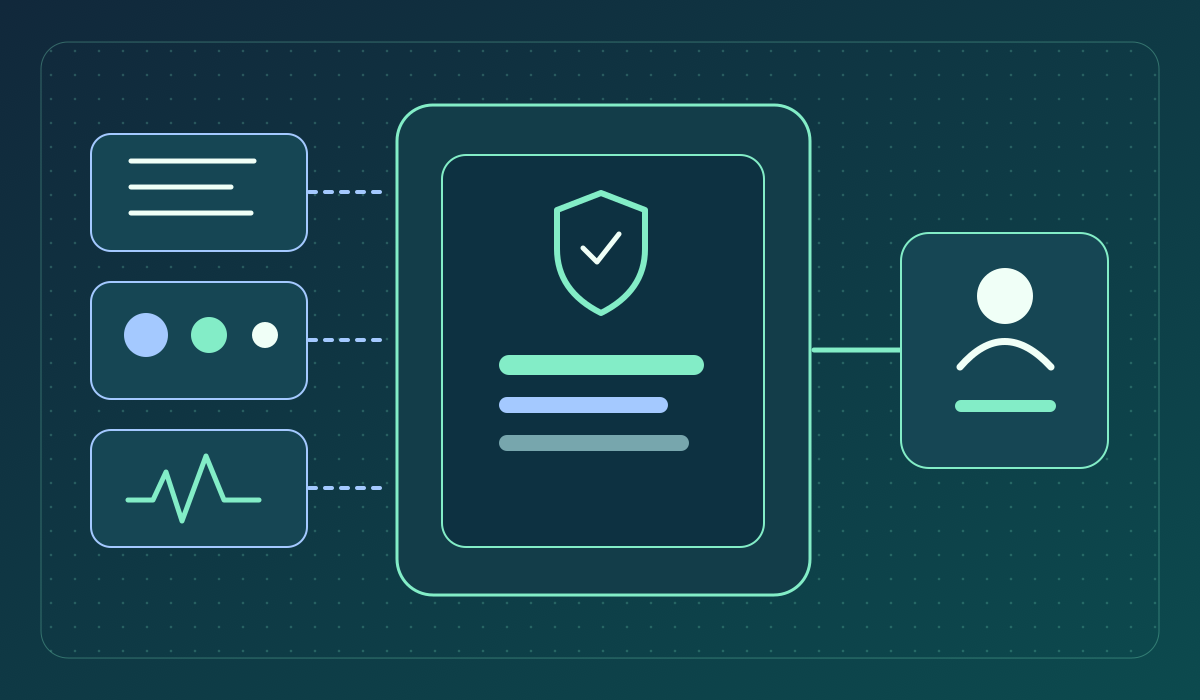
Original site diagram of the planned governed research workflow, not a depiction of a deployed system.
What the announcement does not establish
The release does not establish complete coverage or whether findings from one hospital population would transfer to another. De-identification does not mean the records are public. One practical starting point is to define necessary access for each role, log cohort exclusions and rehearse the workflow with synthetic data before using any real records.
What hospitals should watch
I would start with one research question and measure something concrete. How long does it take to build a usable cohort before and after the platform? Can an independent reviewer trace the choices and reproduce the result? What happens when two sources disagree or a field is missing? Decisions about access and oversight belong in the project design, not on a checklist after launch.
The partnership is interesting because it puts research infrastructure ahead of the promises it might eventually support. The test is the quality and reproducibility of the research, not the size of the dataset alone. The announcement does not establish faster diagnosis, better treatment or approval of a clinical product.
Comments
No published comments yet.