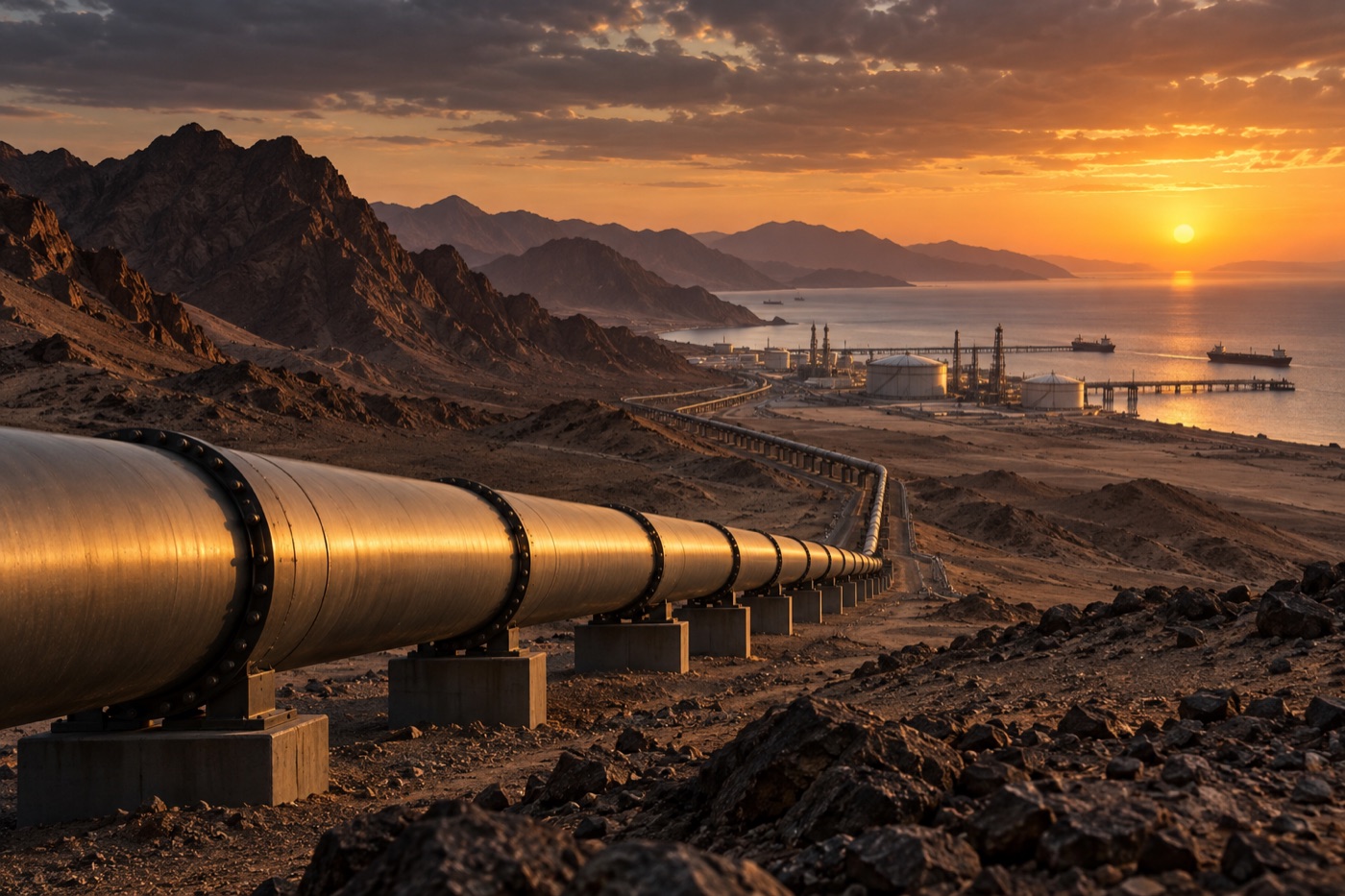
Saudi Arabia temporarily halted the East–West oil pipeline after an aerial attack, according to Reuters. The route had become an important alternative to disruption around the Strait of Hormuz and was carrying an estimated four to five million barrels a day—roughly 4%–5% of global supply.
The disruption matters beyond the energy industry. Simultaneous pressure around the Red Sea and Bab al-Mandab can affect freight availability, fuel costs, insurance, delivery times and the price assumptions behind commercial plans.
What businesses should do now
Saudi retailers, healthcare operators, distributors and e-commerce businesses should review inventory cover, delivery cost and product margins weekly. Promotions need to reflect what operations can actually supply, not a stable-cost scenario that no longer exists.
Finance and marketing teams should also agree on thresholds for changing delivery promises, pausing margin-dilutive offers and communicating delays. Resilience becomes customer experience when a company can keep its promise under pressure.
Source: Reuters — 12 September 2026.
Karim's strategic takeaway
Supply continuity is now part of the offer. Brands that connect campaigns to live inventory, logistics and margin data will protect trust better than brands that continue promoting against yesterday's operating assumptions.
Comments
No published comments yet.